WATCH: Our new documentary: ‘The One About Female Coaches’
By Peter Jardine, Head of Communications
Coaching is a privilege whereby the individual embarks on an emotional journey with their athletes and helps guide them through sport and life itself.
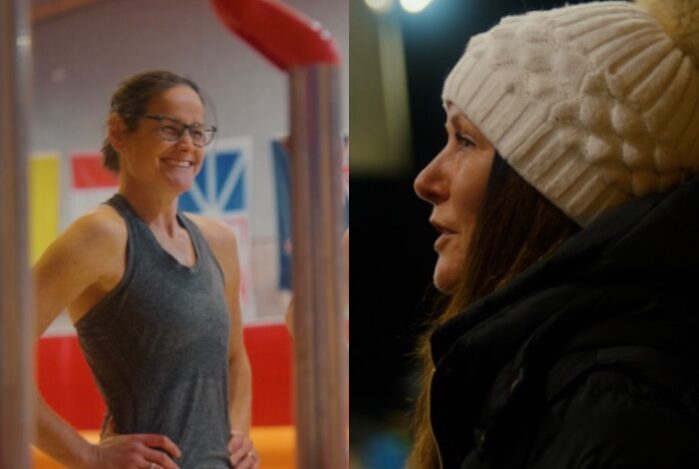
That’s the opinion of two of our leading female coaches, Nichola Crawford and Kirsty Davis, as revealed in a brilliant new scottishathletics short documentary.
We asked out partners at Urbane Media, via skilled videographer Calum McCready, to capture the essence of coaching.
The film – entitled The One About Female Coaches – does exactly that and Nichola and Kirsty also spoke candidly about helping female athletes as the welcome more discussion in this space.
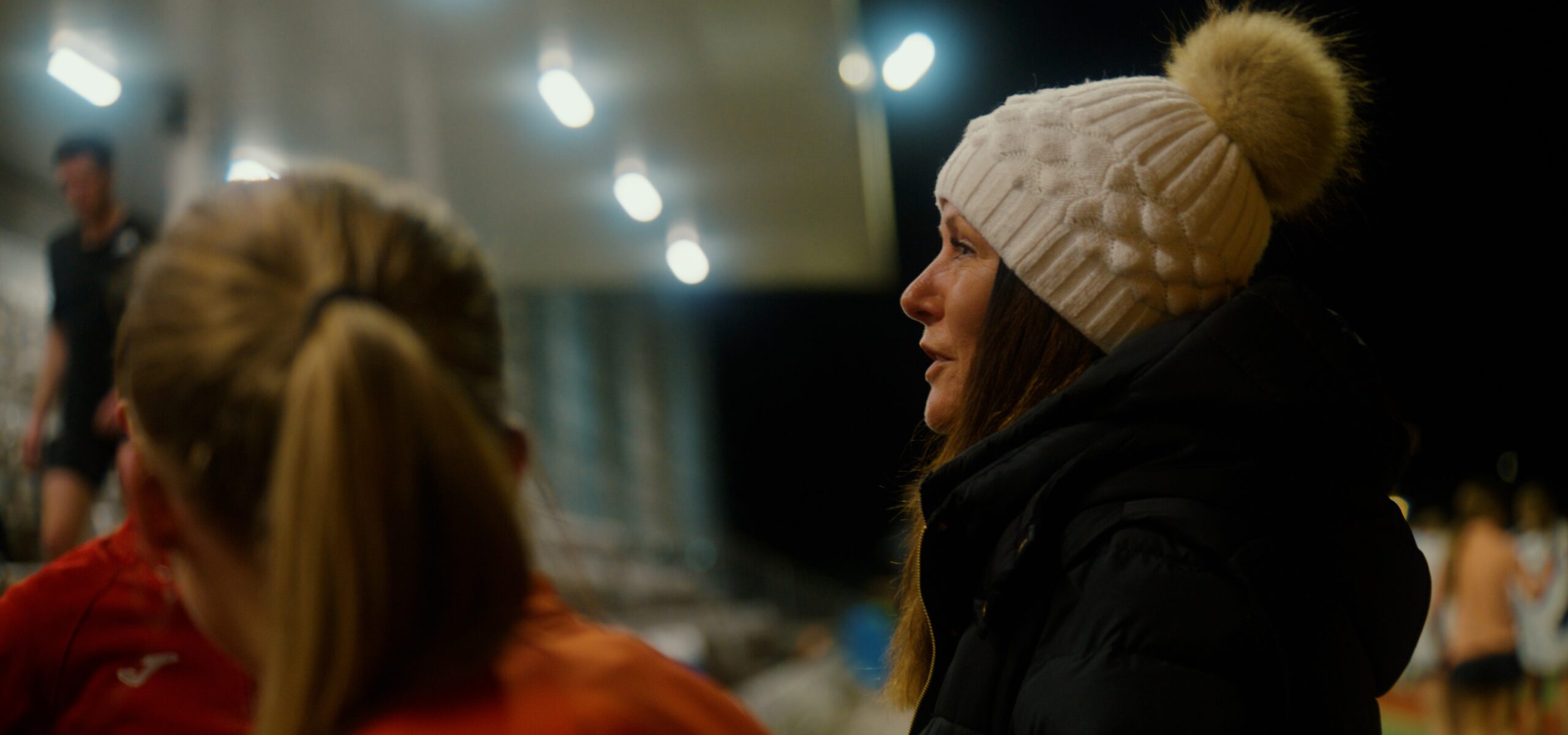
Kirsty is a pole vault coach operating from Meadowbank in Edinburgh and Nichola, who works in teaching, leads endurance groups for Aberdeen AAC at Aberdeen Sports Village.
There are contrasts, of course, between the locations and the disciplines but a number of consistent themes emerged – and both spoke passionately about the ‘privilege’ of being a coach.
‘I feel that to be a coach is a privilege,’ said Nichola in the opening sequence.
And Kirsty echoed that view from Meadowbank.
‘I feel like it’s a real privilege to be a coach and to take people through that journey, you know, sometimes from the very beginning, and right through to a kind of advanced level.
‘And I think it’s a real privilege being part of that journey. I think particularly, you know, working with teenagers, then there are so many other draws on their time.
‘So they get to an age where suddenly they’re not just doing what their parents have led them into, and they’re not just following routines any more. They have choices. They have freedoms, they’ve got independence and they can choose suddenly how they want to spend their time.
‘If you want to keep teenagers in sport, you’ve got to make it fun. They’ve got to love it. And I think as a coach that’s when you have to try hard to make it appealing for them.”


Nichola took up the theme about the privilege of a coach being part of an athlete’s life development.
‘It’s being part of their life,’ she said.
‘We have young athletes that come in really, really talented. They’re keen and it’s a little bit like keeping the reins on them.
‘How do you keep that young athlete excited? How did you keep the performance developing? How do you keep them still wanting to compete in a muddy cross-country course when they’re 20 plus, when there are so many external factors going on? It is challenging but so rewarding.’
Over the course of the film, The One About Female Coaches, both interviewees spoke about being able to relate to females and to offer help and advice.
Kirsty praised four-time Olympian Eilish McColgan for being vocal about issues like her menstrual cycle and being encouraged by changes in attitude.
‘People now talk much more openly about about hormones and cycles you know, and I am pleased that’s become much more normalised now,’ said Kirsty.
‘It is a good thing to hear about, particularly from some of the real high level athletes. Eilish McColgan is a great example. Eilish speaks really openly and about her cycles and the impact that we’ve had on some of her races, and I think that’s hugely healthy for young girls to come through the sport.
‘As a coach, you have to realise it is a completely normal part of their training life and sporting life.
‘You definitely need to recognise with the girls that sometimes there are bad days and you don’t really know why. And actually that’s okay.
‘You don’t need to know why and sometimes it’s just enough to accept that today is maybe a day that things aren’t going so well.
‘From my point of view as a coach, it’s about being open to that and then knowing that if they’re if they’re having a bad day, if they have their period and they’re struggling, that that they can come to you and you can mention it and it’s fine. It’s not a big deal. You know, we can always work around it.
‘There’s always a solution. And that’s a real shift for me from when I was an athlete. I think when I was an athlete, nobody talked about this stuff. It just wasn’t (talked about).
‘To be honest, it was something that you just got on with and managed by yourself in secret and nobody needed to hear about it. And I’d like to think now that we have a much more open culture.’
Nichola spoke about the development rate of boys and girls in their teenage years.
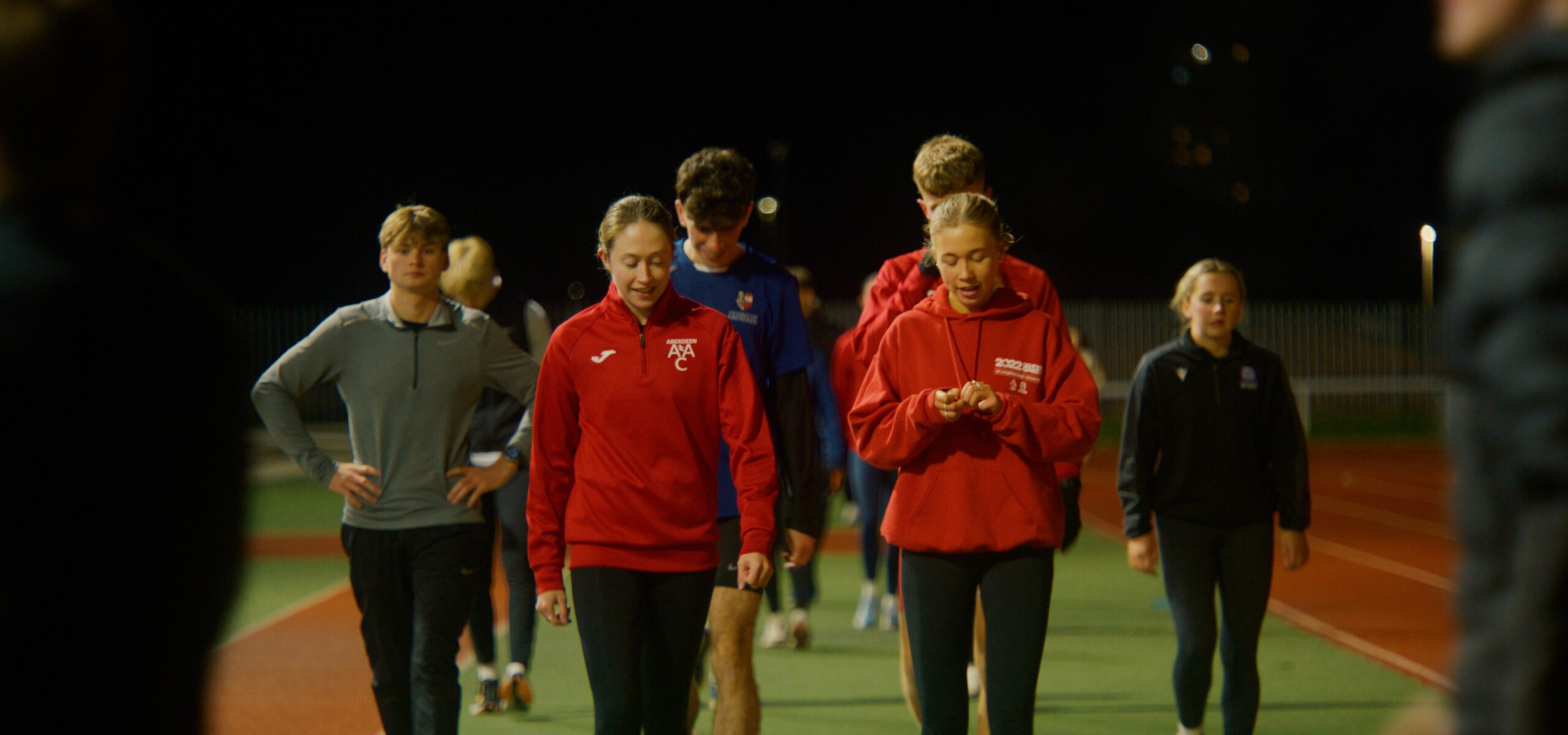
‘Boys and girls often come into the sport at very similar ages and stages,’ said the Aberdeen AAC coach.
‘But very quickly the boys get stronger, the boys develop, the boys times get quicker with the strength. Sometimes the girls face more challenges. They go through puberty, they start their periods, their body shapes change.
‘They’ve got to learn to adjust to all these things and still be able to perform and stay interested and want to do athletics.’
+++
Tags: coaching, Kirsty Davis, Nichola Crawford
Latest Facebook update
Problem displaying Facebook posts. Backup cache in use.
Click to show error